Is Resin Kitchen Flooring Keeping Up with High-Output Delivery Kitchens?
Wednesday, 18 March 2026
Delivery-only kitchens run hot, wet and fast. Fryer lines, wash stations and drain edges take...
Read More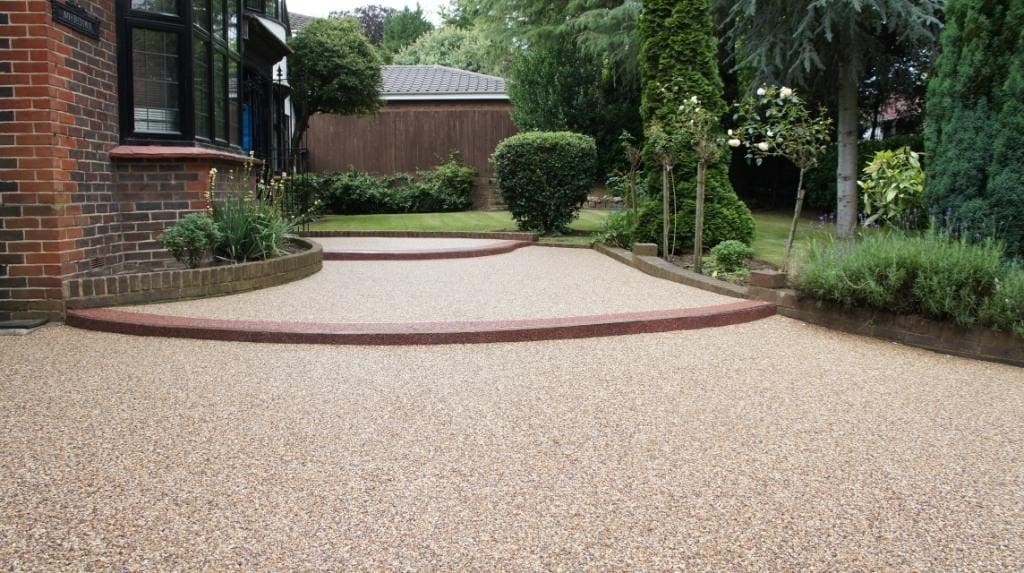
Resin bound stone remains a popular choice for driveways, paths, courtyards and patios because it offers a smooth, permeable finish. Most issues that appear on site start in the base rather than the resin layer though, so as resin bound stone specialists and Vuba approved elite installers, we focus on the full build-up.
Most of the problem jobs we assess come from subbases that have moved, cracked or held water over time, not from the resin bound stone itself. Here we focus on where VubaMac and Vuba SRM sit in that build-up and what you need to decide before you install the surface.
Resin bound stone sits on a build-up of layers that work together. When we design a system, we look at:
Each layer has a specific job. The sub-base deals with drainage and load distribution, VubaMac provides a structural, permeable layer that supports the Resin Bound Stone, Vuba SRM helps manage movement and reduces the risk of reflective cracking, and the surface layer provides the finish, colour and texture that people notice first. When those elements follow Vuba’s specification, the system performs well under daily use. Missing or poorly designed layers increase the chance of movement or cracking.
The performance of any system depends heavily on the stability of the base. VubaMac acts as a structural permeable layer that supports the topping and manages movement across the surface. When we investigate failures, we usually find the issue in the base, not in the finished surface.
This is the same principle we use across our domestic driveways and patio projects, where base movement is the main factor we check before we specify the build-up.
Common base issues include weak or uneven tarmac and concrete, and poor falls that allow water to sit in the wrong place. A well‑designed VubaMac layer reduces these risks.
In general, we recommend a full VubaMac base when the area will carry vehicles, the existing surface is unsuitable for overlay, or the project is a new build where the full build‑up can be designed from the start. During design we look at traffic loads and the depth available for build‑up, and we check that the sub‑base can drain and support the surface.
Even with a solid VubaMac base and suitable sub‑base, movement can occur. Vuba SRM sits within the build‑up as a reinforcing mesh that bridges small cracks and joints so minor movement beneath does not show through on the finished surface.
We see the greatest benefit from SRM in projects that involve:
On a typical patio where new slabs meet an older concrete path, SRM helps manage the small movements at the junction and keep the surface looking consistent. Used in the right places, it reduces the risk of reflective cracking but will not correct a broken or unstable base. In some cases, Vuba’s specification depends on correct SRM use in areas with existing concrete or joints.
To decide where we need VubaMac and SRM and at what depths, we need a clear picture of the project.
Useful information includes:
Photos from different angles often tell us as much as written notes and help us spot issues before anyone commits to the wrong build‑up.
For most new driveways, the best option uses a suitable permeable sub-base with a VubaMac base that we design to the right depth for the traffic it will carry. That combination provides a stable, permeable platform for the surface layer.
On existing concrete driveways, we first check how the original installer built the slab and how it has moved over time. If it is sound and well drained with suitable joints, there may be options to integrate VubaMac and Vuba SRM over the top. Where we see cracking or movement under load, we usually remove and rebuild sections rather than rely on an overlay.
We look at the loads the surface will carry, levels on site, how well the area drains and the condition of any existing surface. That review lets us explain what base build-up makes sense for your driveway and where VubaMac and SRM fit into that design.
Sometimes we can, sometimes we cannot. The answer depends on how the original contractor built the slab and how it has moved over time. We usually start by asking how old the slab is, where it tends to crack and what traffic it takes. If it is sound, well drained and properly jointed, we may be able to integrate VubaMac and SRM to manage movement. If it is cracked or moving under load, an overlay usually carries too much risk.
Not every scheme needs SRM, but many benefit from it. Where we see existing concrete, known joints or a higher chance of small movements, SRM often forms part of the recommended build‑up. If we can see the base in person, we often make the SRM call on site once we have walked the area. On new VubaMac bases we always incorporate SRM, especially in specific zones such as around manholes or transitions between structures.
Weather and timing affect each part of the system. VubaMac and Resin Bound Stone need suitable temperatures and dry windows to cure correctly, so we plan the sequence of works to reduce the chance that moisture, low temperatures or other trades compromise the base.
A successful installation starts with design and preparation. We review site information, visit where required, design the build‑up, coordinate with other trades and install the Resin Bound Stone surface once the base is ready. On many projects that includes checking falls at thresholds, around manholes and along edges where paths run against walls or fences.
This approach improves performance and reduces the likelihood of call‑backs linked to movement or cracking.
Getting the base right is the most important step in any installation. VubaMac and Vuba SRM play key roles in how the system handles movement, loads and daily use.
If you are planning a project that could suit this type of surface, talk to FLEX about the base build-up before work starts. Share photos, drawings and basic details and we will help you decide how VubaMac, SRM and the rest of the system should come together on your site.
Much of the guidance we share here reflects the conversations we had with contractors, designers and councils at recent events such as Kent Construction Expo, where questions about bases, movement and drainage came up repeatedly.
If you visited us at the recent Kent Construction Expo, feel free to mention it when you get in touch!
Experts in epoxy and polyurethane flooring systems
Delivery-only kitchens run hot, wet and fast. Fryer lines, wash stations and drain edges take...
Read More