
What Micro-Fulfilment Hubs Really Need from Commercial Epoxy Flooring
Wednesday, 11 March 2026
Micro-fulfilment hubs place constant wheeled traffic over the same floor routes every shift. High pick...
Read More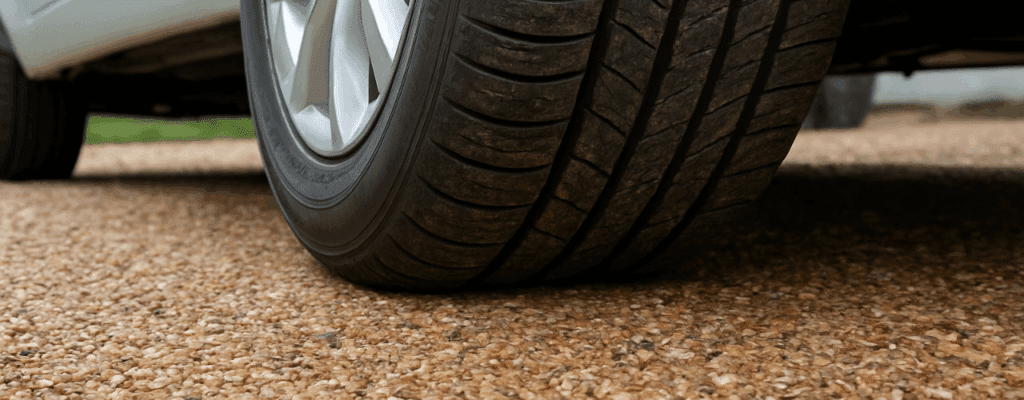
If you use your driveway for purposes outside parking a family car, it is sensible to question if a resin driveway can cope with the demands placed on it in day-to-day use. Vans, motorhomes and regular service access introduce higher loads and different stresses compared with a standard domestic setup.
This type of surface can suit heavy vehicles, but only when designers engineer the system around the expected loads from the outset. Many problems blamed on resin are not material failures at all. They stem from design and base decisions. That is why professionally specified resin driveway systems treat the driveway as a complete build-up, not simply a surface choice. Once contractors fix groundworks and base levels, opportunities to correct the design reduce sharply.
Yes, a professionally specified resin-based driveway can cope with heavy vehicles, but only when teams treat it as a structural surface rather than a decorative finish. This is the same approach taken with professionally designed resin driveway systems where load and base design are considered together.
This approach relies on:
When designers address these factors early in the design stage, properly specified systems perform reliably under vans, motorhomes and similar vehicles. If heavy vehicle access is likely, it is worth speaking with a specialist now before base design and groundworks lock your options in. Problems tend to arise when teams specify resin late in a project or install it over a base that was never intended to take that level of use, at a point when changes cost more and disrupt programmes.
The system determines how well the surface performs under heavy vehicles. The thickness of the resin layer alone does not. Performance under load comes down to a small number of key design decisions made early. Our recommended installation process follows Vuba’s best practice system, ensuring strength, longevity and compliance with SUDS (sustainable Urban Drainage System). This includes VubaMac structural base build up and Vuba SRM (structural Reinforcement Mesh) between layers to stregthen the surface and minimise movement.
The sub-base is the most important component in any driveway designed for heavy use. A properly compacted, free-draining sub-base spreads loads and reduces the risk of settlement. Shallow or poorly constructed bases tend to concentrate stress, which increases the likelihood of cracking over time.
Base design and depth
We recommend applying VubaMac structural base build up at 35mm. This enhances strength, reduces reflective cracking and increases the lifespan of the surface. We would also recommend incporporating Vuba SRM between layers to further strengthen the surface and minimise movement.
Static loads, such as a parked motorhome, behave differently from the dynamic loads created by daily van movements on the same area. Repeated trafficking in the same wheel paths accelerates wear when designers fail to account for that use in the structure below.
Slow-speed turning generates high shear forces. In practice, these forces can be greater than those caused by straight-line movement. Driveways that include tight turning areas or reversing zones need additional consideration during design.
Where heavier use is expected, designers often specify structural base systems and reinforcement layers to manage movement and distribute loads. Our guidance on structural base build-ups and reinforcement explains how movement is controlled beneath the surface. These elements work beneath the resin surface and are selected based on ground conditions and vehicle use, with performance taking priority over appearance.
Edges are a common failure point when heavy vehicles use a driveway. Proper restraint at boundaries, along with careful detailing where the driveway meets pavements, roads or garage thresholds, helps the system remain stable under load.
This type of driveway does not suit every heavy-use scenario, particularly where access begins to resemble commercial traffic environments. These limitations can lead to costly mistakes that become difficult to resolve once installation starts.
Resin bound may not be appropriate where:
In these situations, rigid concrete or alternative engineered solutions often perform better, especially in settings closer to full industrial loading conditions. Reviewing comparable driveway and access projects can help set realistic expectations around performance and design. An honest assessment at the outset prevents premature failure and unnecessary expense.
Several assumptions regularly cause confusion during specification:
These points set realistic expectations and support better long-term outcomes.
Before committing to a resin driveway suitable for vans and heavy vehicles, review a few practical details:
Providing this information early allows designers to shape the system around real use, not assumptions. At that stage, teams still have flexibility to adjust the build-up.
A resin driveway can be tough enough for heavy vehicles when it is engineered for the task. Many failures occur when teams install resin over a base that was never designed to carry higher loads.
By assessing vehicle use, ground conditions and structural requirements at the outset, teams can create a driveway designed for heavy use that performs reliably over time.
If you are planning a driveway that will regularly take vans or heavier vehicles, engaging a specialist to review load and base design before groundworks begin avoids locking in decisions that are expensive to change later. An early conversation can clarify whether resin is suitable for your site and what build-up is required to support it. If you need to review vehicle use and base requirements in detail, you can get a quote or speak with our team to assess your site before work begins.
Experts in epoxy and polyurethane flooring systems
Micro-fulfilment hubs place constant wheeled traffic over the same floor routes every shift. High pick...
Read More