When Should Playground Flooring Be Repaired or Fully Resurfaced?
Wednesday, 14 October 2026
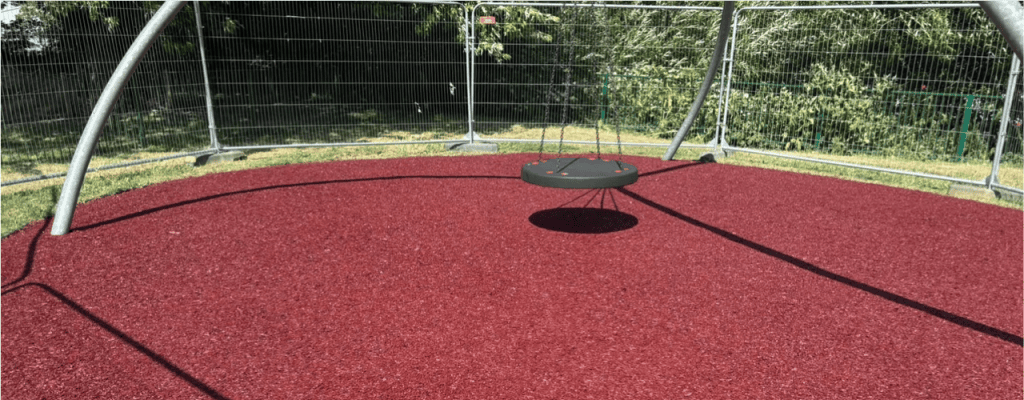
Common visible problems on school and public playgrounds include splits, worn areas and damaged edges....
Read More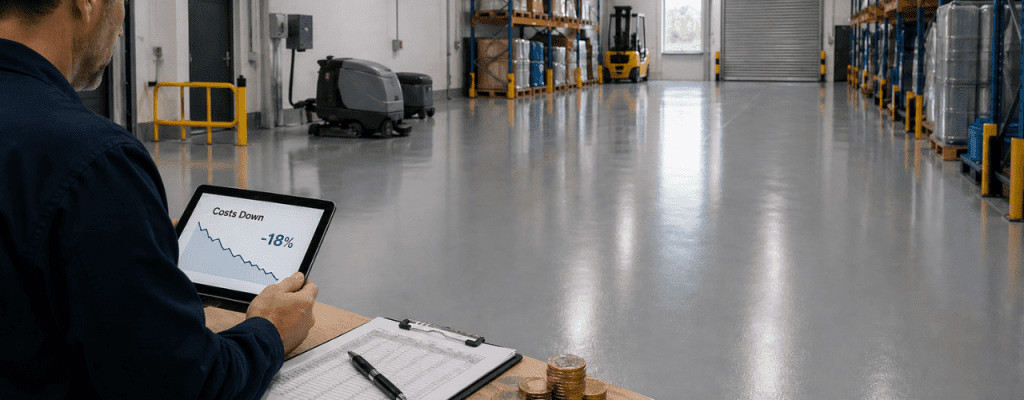
Property managers and facility operators spend thousands every year replacing cracked tiles or repairing peeling vinyl. These budget-friendly initial price tags often hide heavy financial burdens that surface months later. Maintenance teams frequently struggle with porous grout lines, leading to a cycle of expensive patching work and contractor call-outs.
Applying commercial resin flooring provides a seamless surface built to withstand demanding environments. FLEX installs these high-performance systems across the UK to eliminate the joints and weak points that plague traditional floors.
Traditional floors rely on seams and porous materials that trap dirt and absorb impact. Tiles suffer from cracked grout while vinyl sheets peel under heavy footfall, demanding constant repairs that inflate your total lifecycle costs.
Facilities managers often overlook broken tiles as standard wear and tear. However, this ignores the compounding financial drain of constant patching. Forklift traffic in warehouses and liquid spills in commercial kitchens rapidly degrade these materials. Water ingress beneath vinyl causes adhesive failure, forcing premature and costly removals.
Standard concrete generates fine dust as the surface breaks down, coating inventory and requiring hours of additional cleaning. Grout lines in tiled areas present a similar hygiene risk. Dirt and bacteria become trapped in these porous channels, requiring aggressive scrubbing that further degrades the floor and drains your maintenance budget.
Commercial resin flooring creates a completely seamless, impermeable surface. Because there are no grout lines or structural joints, your maintenance crew can sweep and mop the finish without navigating deep crevices or relying on aggressive chemical cleaners.
The hourly wage of cleaning staff represents the most significant portion of floor maintenance. Floors with complicated seams take twice as long to sanitise. Resin systems remove these physical barriers. Liquid spills sit on the surface rather than soaking into the substrate, allowing staff to remove hazards before they become permanent stains.
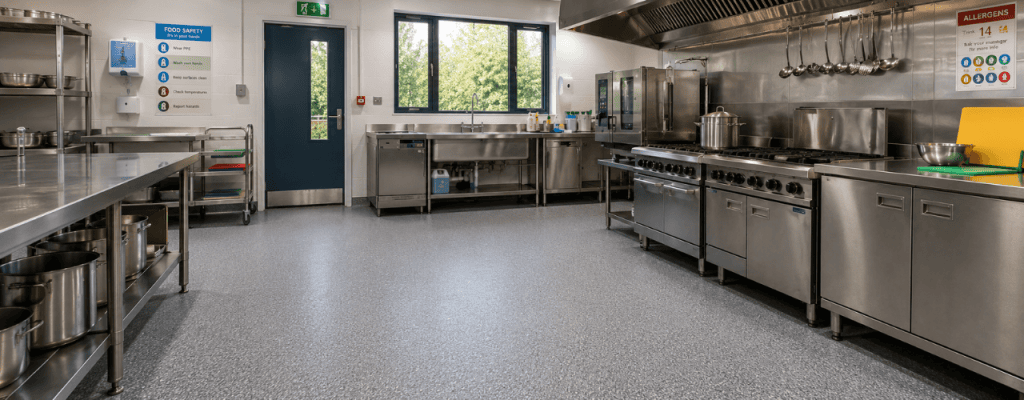
FLEX installs epoxy and polyurethane systems tailored for high-traffic environments. In a commercial kitchen, this means water flows directly toward drains without pooling in cracked joints. In a warehouse, the hard-wearing finish prevents dust generation, lowering your overall facility management overheads for years to come.
Porous grout and cracked tiles in food prep or healthcare environments represent a major audit risk. Proper flooring ensures your facility remains compliant with the latest health and safety standards. Book a professional floor audit with Flex Flooring to assess your site.
Total cost of ownership is a more accurate metric than initial installation price. While you might spend heavily on constant vinyl replacement and tile regrouting over a decade, commercial resin flooring outlasts these materials.
A floor that costs half the price but requires replacement in three years is a poor investment. True value comes from structural stability. Specialist resins and screeds are engineered for longevity, withstanding heavy-duty industrial use with minimal impact. You avoid the operational disruption of regular patch repairs. Avoiding a single week of closure in a busy factory often pays for the higher quality surface entirely.
Key lifecycle financial benefits include:
Industrial facilities require epoxy resin when the environment involves heavy machinery and potential chemical spills. This rigid system bonds directly with concrete, creating a hard-wearing layer that resists impact and supports extreme weight without cracking.
Manufacturers need a surface that handles the constant friction of pallets and heavy vehicles. Flex Flooring applies these industrial systems using specialist poured techniques matched to your operational load. This protects the underlying concrete slab for decades and keeps the workspace dust-free.
Often times commercial operators choose polyurethane for its slip resistance and thermal flexibility. Unlike rigid tiles that crack under temperature fluctuations, flexible polyurethane systems expand naturally. They eliminate the grout lines where mould frequently grows in hot and humid conditions, such as a commercial kitchen or food preparation area.
Decorative resin delivers industrial-grade durability with a refined visual aesthetic. Retailers and office operators can install custom finishes that handle heavy footfall while reflecting their brand identity.
A luxury car showroom or high-end retail unit requires a floor that matches its architectural style. We combine visual design with structural integrity using modern resin systems, featuring custom colour matching and multi-tonal effects. A Quartz carpet provides a modern concrete look without the dust risks of raw cement, giving you a designer floor with the low-maintenance benefits of a synthetic surface.
A high-performance material fails quickly if applied incorrectly. The secret to a floor that lasts fifteen years lies in the groundwork. Poorly prepared concrete leads to delamination, where the resin peels away in large sheets.
FLEX brings over fifteen years of industry experience to every commercial site. Our installation specialists assess your current substrate and employ mechanical grinding to remove weak surface material. This ensures a perfect chemical bond. We use poured systems for self-levelling finishes and hand-trowelled techniques for complex gradients, preventing the premature failures common in budget contracting work.
Unexpected floor repairs can force a facility to close, costing thousands in lost productivity. The best time to upgrade is during your next planned maintenance window. Contact Flex Flooring today to schedule a technical site survey and secure your installation slot.
A professionally installed resin surface typically lasts between ten and twenty years. Proper daily cleaning and avoiding severe impact damage helps extend this lifespan well beyond traditional tile or vinyl options.
Yes. Specialists embed anti-slip aggregates directly into the material to ensure these surfaces remain safe for commercial kitchens, even when standing water is present.
Experts in epoxy and polyurethane flooring systems
Common visible problems on school and public playgrounds include splits, worn areas and damaged edges....
Read More