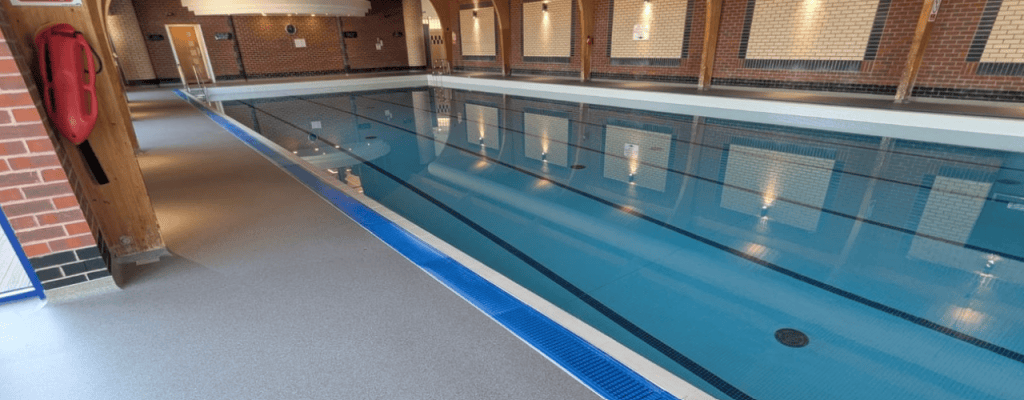
Can an Old Pool Surround Be Resurfaced Without Removing the Whole Existing Surface?
Wednesday, 21 October 2026
If your pool surround is looking dated or becoming uneven, replacing the entire area may...
Read More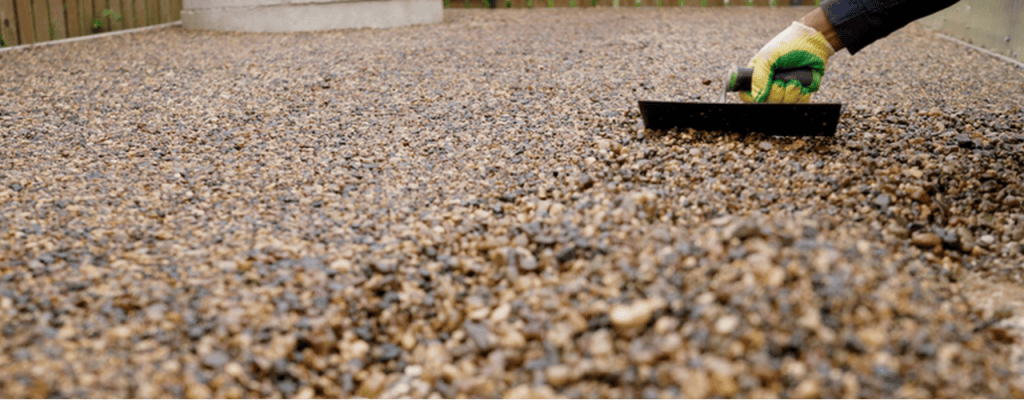
A crack along the edge of a resin driveway can raise one expensive question: does the whole driveway now need replacing? Not necessarily. Localised damage may be repairable, although movement beneath or beyond the affected area can make wider remedial work more appropriate.
What matters is how far the damage extends and the condition of the base beneath it. We assess the affected section of your resin driveway and the surrounding surface before advising on the next step, so you know if the issue appears local or if wider remedial work should be considered.
Edges near gates, walls and borders can be vulnerable because the resin meets a boundary or transition. Around entrances, repeated vehicle loading and steering can place additional stress on the same area.
Repeated vehicle movement can place more demand on particular parts of a driveway, especially around entrances and turning areas. We consider how vehicles use the driveway, along with the condition of edges and transitions, when assessing the affected area.
Damage near a gate or wall does not tell us the cause on its own. We inspect the surrounding surface and the condition beneath it before deciding what remedial work is appropriate.
Yes. Repeated steering close to an edge can place additional stress on the same part of a resin driveway, particularly around narrow entrances, gates or parking positions.
Stationary or slow steering can concentrate demand at turning points. We also consider the condition of edges and transitions where the driveway meets other surfaces.
For an existing damaged driveway, we consider how the area is being driven over as part of our assessment. That helps us establish if the problem appears local or if the surrounding section also needs attention.
It can, but an edge crack does not automatically mean the whole driveway base has failed.
Movement beneath a local area can show through the finished resin surface. Settlement or movement around a transition or resin driveway edging can cause localised cracking in the finished surface. The condition of the base therefore needs to be understood before the extent of any remedial work is agreed.
What matters is how far the problem extends. We check the damaged area rather than assume that a visible crack tells us everything about the driveway underneath.
If damage to the resin driveway edge is spreading, the edge is starting to break away or the same area has already been patched, ask us to assess it before you pay for another surface repair or assume the whole driveway needs replacing. We can look at how far the problem extends and explain the appropriate next step.
Potentially. If the problem is confined to one area and the surrounding driveway remains sound, wider replacement may not be necessary.
Before advising on a local repair, we need to understand what caused the damage. If the section beneath is loose or unstable, remedial work to the base may be needed before the surface is reinstated.
Our first step is to establish how much of the driveway is actually affected. If wider replacement is appropriate, we can recommend the Resin Bound Stone system and preparation required for the site.
For a wider replacement, we install our Resin Bound Stone system using Vuba materials. Our recommended full build-up includes VubaMac as the structural base layer, with the preparation and surface specification adjusted to the condition of the site and the way the resin driveway is used before the new surface is installed.
Wider remedial work may be more appropriate if cracking appears in several areas or movement extends beyond the damaged edge. If previous repairs have failed, we assess the base and surrounding area before recommending further work.
The condition of the base can also change the amount of work required. If the underlying cause extends beyond the visible damage, another small patch may not address the problem.
The answer still depends on the condition of the individual resin driveway. We assess the affected sections and explain if the problem appears local or if wider remedial work should be considered. Where wider replacement is the appropriate route, we can specify the preparation and Resin Bound Stone build-up, then install the new surface.
Not always exactly. A local repair can restore the damaged section, but the new area may differ slightly from an older resin-bound surface in colour or texture.
The original aggregate blend and the condition of the surrounding driveway both matter. Ageing, weathering and natural variation in the aggregate can mean that newly installed material looks slightly different beside the existing finish.
If local repair is appropriate, we can explain the likely limitations of colour and texture matching before remedial work is agreed. An exact visual match should not be assumed on an older surface.
You can involve us as soon as you notice cracking, crumbling or movement around the edge of your resin driveway. You do not need to identify the cause before contacting us.
We can inspect the affected area, assess the surrounding surface and look at the condition beneath it before advising on the next step. A local resin bound driveway edge repair may be appropriate in some cases. If the problem extends further, wider remedial work may need to be considered.
If you are concerned that a damaged edge means replacing the whole driveway, reach out to us for advice or a site visit. We can assess how far the problem extends and explain the appropriate next step. If wider replacement is needed, we can also specify and install a new Resin Bound Stone surface.
Experts in epoxy and polyurethane flooring systems
If your pool surround is looking dated or becoming uneven, replacing the entire area may...
Read More