Can an Old Pool Surround Be Resurfaced Without Removing the Whole Existing Surface?
Wednesday, 21 October 2026
If your pool surround is looking dated or becoming uneven, replacing the entire area may...
Read More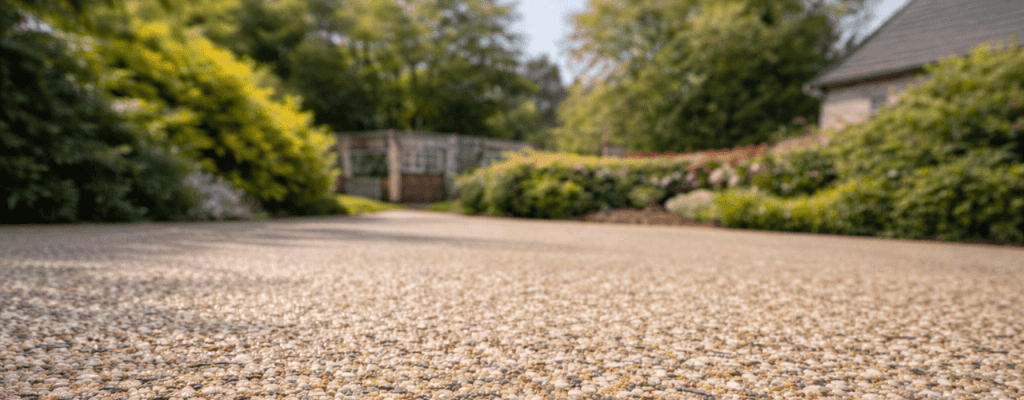
Property operators and homeowners expect new surfacing to last over a decade. The reality is that cracks often appear or the aggregate begins to lift after just 24 months. These surface failure causes almost always stem from technical errors made during the initial groundworks and mixing stages. Understanding why resin bound stone fails early is the first step toward ensuring a long-lasting driveway or commercial path.
Poor sub-base preparation is one of the most common installation mistakes. It causes premature failure because the top layer lacks the necessary structural support. If the foundation moves or sinks, the rigid resin layers above will crack. Installers must construct a solid, non-moving base to prevent the system from breaking apart under weight.
Many contractors skip essential groundworks to reduce material costs. They might lay the resin mixture directly onto unstable soil or damaged driveways without considering the long-term impact. This shortcut usually leads to cracking or lifting issues within two years. High-traffic environments require a base designed specifically for the expected vehicle weight and environmental load.
FLEX uses over 15 years of industry experience to manage resin bound stone sub-base installation Kent. We typically use macadam or concrete bases depending on the site requirements. Tarmac provides porous qualities for drainage while concrete offers high strength for industrial facilities. Correct groundwork ensures the finished seamless surfaces remain durable across commercial and domestic spaces.
Incorrect resin ratios cause the material to lose its binding strength over time. Using too little resin leaves the aggregate dry and prone to unravelling under vehicle traffic. Using too much resin makes the finish brittle and reduces the permeable drainage capacity of the installation.
The mix design requires exact measurements for every batch produced on-site. Installers blend the polyurethane binder with the aggregates in a forced action mixer. If the team rushes this process or estimates the measurements, the structural integrity fails. As vehicles turn their tyres, the loose stones break away and create bare patches in the surface.
Our Resin Bound Stone systems use exact binder calculations. We provide technical expertise to ensure every cubic metre performs as intended. Different aggregates require specific amounts of binder based on their natural porosity. The correct ratio provides heavy-duty durability and prevents the surface breakdown seen in lower-quality installations.
Moisture reacting with the polyurethane binder during installation causes catastrophic chemical failure. Water makes the components foam and expand before they can cure properly. This reaction weakens the structural bond and creates a white clouding effect that ruins the visual finish.
Weather conditions dictate the entire exterior installation schedule. While rain is a primary concern, damp aggregates and high humidity also pose significant risks. Moisture causes gas bubbles to form within the binder. These bubbles push the stones apart and destroy the interlocking matrix required for surface strength.
We monitor weather data closely before starting any exterior poured system. Our teams ensure all aggregates remain dry during storage and transport. We only lay material when conditions allow for a safe chemical cure. This patience ensures the surface performs as expected for the client over many years.
A lack of permeability planning traps water beneath the surface layer instead of allowing it to drain. When temperatures drop in winter, this trapped water freezes and expands. The force of the ice pushes upward against the binder and rips the stone matrix away from the sub-base.
Resin surfacing is frequently chosen for its porous properties. It allows rainwater to pass through the top layer to prevent puddles. If the sub-base beneath is not permeable, the water hits a solid barrier. The water then sits directly under the resin layer with nowhere to go.
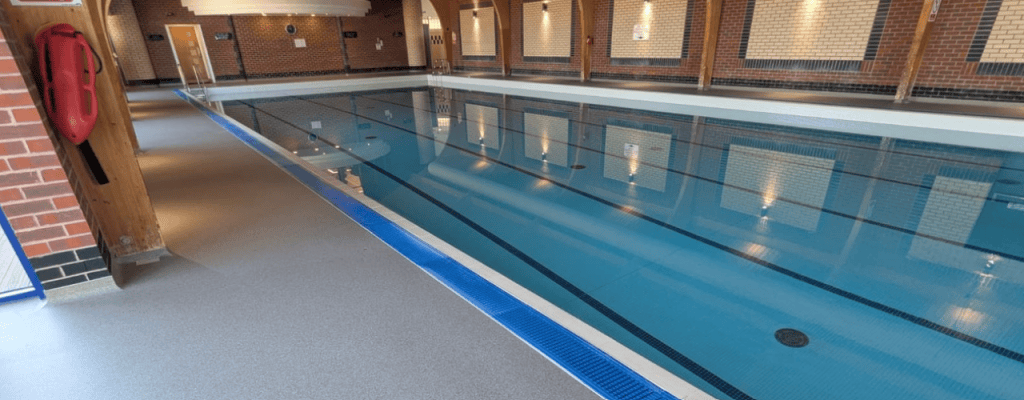
Proper drainage requires a permeable build-up from the soil grade to the finished level using porous tarmac or open-grade bases. We assess site drainage to ensure our solutions prevent waterlogging in spaces like public walkways and pool surrounds. This planning is essential for how to prevent resin bound stone failure in the long term. We only use Vuba products and follow their recommended installation process to ensure the system is fully permeable.
Missing edge restraints fail to contain the lateral pressure exerted on the resin material. Without a solid border, the edges fray and chip away under heavy use. This chipping gradually moves inward and weakens the entire structure of the driveway or path.
A poured material requires physical containment to maintain its strength. The mixture needs a firm edge to push against during the curing process. Once cured, the outer edges are the most vulnerable parts of the installation. If a vehicle rolls over an uncontained edge, the brittle stone often snaps.
Contractors must install rigid borders like aluminium trims or granite setts before mixing materials. These borders ensure the surface maintains a clean line while protecting the core structure. Correct restraints also help installation teams maintain a uniform depth across the entire surface.
We secure long-term performance by combining technical material knowledge with strict preparation standards. Our team manages every phase from evaluating the groundworks to hand-trowelling the final layer. This methodical approach ensures the installation withstands modern traffic levels. And our partnership with Vuba ensures we are using the best products for this surface system.
Based in Maidstone, we are the professional resin bound stone contractors Kent residents trust for high-quality results. Since 2010, we have delivered specialist screeds, wet pour, and decorative floors tailored to specific operational demands regarding slip resistance. We do not compromise on base preparation because skipping foundation steps creates expensive repairs later.
A well-installed installation in Kent requires only simple cleaning to maintain its porosity. Our seamless work eliminates joints, making surfaces easier to clean and resistant to impact. You can see examples of our high-standard finishes in our recent case studies. We focus on getting the technical details right the first time to ensure the surface lasts.
The early failure of a Resin Bound Stone system causes a significant financial impact. Removing a failed installation often costs as much as the original project. Getting the groundwork and drainage correct the first time saves property owners from future disruptions. It is better to do the job properly once than to pay for it twice.
Contact us today for a technical assessment of your project.
Structural cracks cannot be easily repaired because the damage usually stems from sub-base failure. If you are dealing with resin bound stone surface problems Kent, a contractor can patch small chips using matching aggregates and binder. However, large cracks require the complete removal of the area and repairs to the foundation beneath to prevent the crack from returning.
Patching a moving base is a temporary fix that rarely lasts. The crack will usually reappear next to the repair within a few weeks. For a permanent resin bound stone repair Kent, a professional team must cut out the broken section and investigate the groundworks to solve the root cause of the movement.
A proper resin installation takes several days depending on the required groundwork. While laying the final mixed surface usually takes a single day for an average driveway, ground excavation and the curing time for the sub-base add significant time to the schedule.
The hand-trowelled top layer cures enough for foot traffic within 24 hours. Vehicles should remain off the new surface for at least 72 hours to achieve full structural strength. Rushing the curing process can lead to permanent tyre depressions in the finish.
For the gold standard, we recommend a sub base of compacted MOT Type 3, followed by a base layer of VubaMac Structural base build up. Your finished topping is then installed.
We can install onto tarmac or concrete, but some of these options do offer a fully permeable system and a site visit would allow us to talk through your options.
Experts in epoxy and polyurethane flooring systems
If your pool surround is looking dated or becoming uneven, replacing the entire area may...
Read More