Can an Old Pool Surround Be Resurfaced Without Removing the Whole Existing Surface?
Wednesday, 21 October 2026
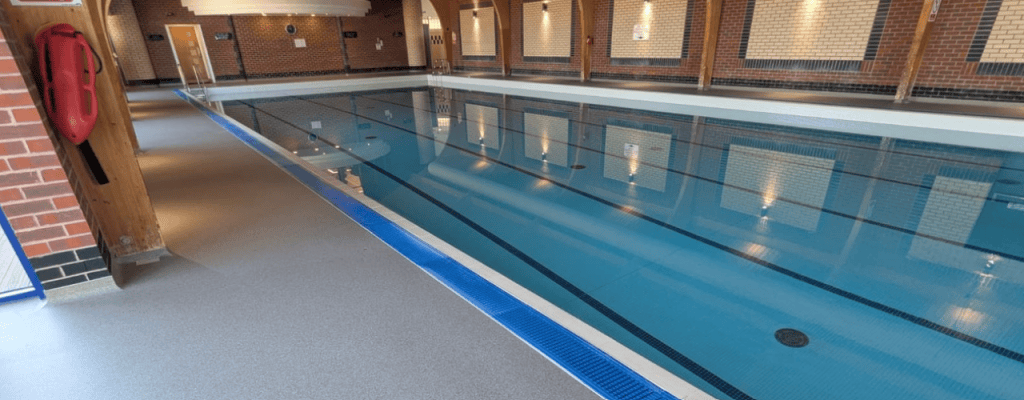
If your pool surround is looking dated or becoming uneven, replacing the entire area may...
Read More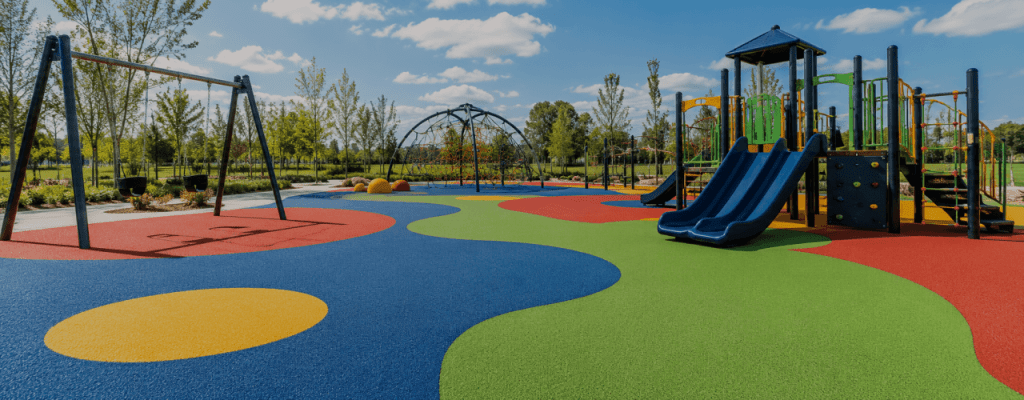
Some schools can keep part of the playground open during term time by dividing the installation into phases. That depends on the layout, the access routes and how much space the contractor needs to work safely. When phased access is possible, schools can protect break-time use and reduce pressure on indoor spaces.
This is where FLEX adds value. Our specialist installers start with a site visit, check how the playground is used and plan the work around the school day. We also plan deliveries and heavier access periods outside busy drop-off and pick-up times. With RubbaFlex® sg surfaces available for use within 24 hours after installation, our team can help reduce downtime where the programme and site conditions allow. FLEX helps schools plan phased playground flooring projects around term-time use, site access and section handover, so decision-makers can see early on how the work could fit around normal school life.
Phased resurfacing means schools can keep parts of the playground open while work continues in other sections. This makes playground flooring easier to install with less disruption during term time. That gives staff more flexibility at break time, avoids full closure of the outdoor space and reduces pressure on indoor alternative spaces.
This method works when contractors put clear safety measures in place. Fencing, temporary walkways and simple access routes keep pupils away from live work areas while still allowing people to move around the site. Contractors plan these boundaries during the first site visit, based on how children and staff move around the school and how close the work is to classrooms and entrances.
“We always aim to communicate effectively with our clients to minimise disruption during the installation. Our pre-installation site visits ensure we can plan ahead and cover all potential issues.” Katie Pepper, Business Development Director.
Installers prepare the base by keeping all groundwork inside the fenced-off area. This allows playground flooring work to move forward without spreading risk into the parts of the site that remain open. The team removes the old material before getting the surface underneath ready for the new flooring. They build the new foundation in separate sections, so the open areas stay clear of trip hazards.
A long-lasting finish depends on preparing the base properly. Teams keep dust and loose material inside the work area while they apply the main layers, such as a 25mm SBR rubber base over compacted stone. This helps stop loose stone from spreading into the parts of the school that are still in use.
Schools specify RubbaFlex® sg for wet pour playground surfacing because it gives them a smooth and durable finish. The system has no joints, which means there are fewer places for dirt to build up and fewer edges that could create trip points. The rubber and resin mix is made to cope with heavy daily use.
A seamless system also makes cleaning easier. Resin flooring is often easier to maintain than standard block paving in busy play areas. For site teams, that means less upkeep and a surface with reliable slip resistance.
Installation teams apply this system at depths that suit the existing ground conditions. A common build-up is 15mm over asphalt or concrete. Contractors can also carry out local wet pour rubber repairs, which gives schools a practical way to restore worn areas without resurfacing the full area.
Need to know if your playground can stay partly open during resurfacing? A site visit from FLEX can show how the area could be phased, where access routes would sit and what downtime to expect before work starts.
The seamless finish also improves how the play area looks. Primary schools often want bright finishes that make outdoor spaces feel more welcoming. Continuous rubber floors create a cleaner result and provide smooth transitions between play zones without raised dividing lines.
Schools reduce disruption by scheduling the heaviest stages around holidays, quieter periods or out-of-hours windows. That allows contractors to complete preparation, deliveries and other noisy tasks when pupils are away from the area.
FLEX builds the schedule around the school calendar and site rules. The team plans access, deliveries and working hours with the school in advance, which helps staff keep normal routines in place while the project moves forward. FLEX also offers fast installation, with RubbaFlex® sg surfaces available for use 24 hours after installation, which can make phased resurfacing easier to manage on busy school sites.
Schools need contractors who understand live school environments as well as surfacing materials. That means clear site rules, sensible access planning, careful installation and a reliable handover.
FLEX adjusts the build-up to suit the site instead of treating every playground the same. Ground conditions, existing surfaces and drainage all affect the final result, which helps the team avoid specification mistakes that could lead to early wear or extra remedial work. Before reopening an area, the site manager checks that the surface has cured properly and that the section is ready for normal pupil use. This staged handover gives schools clearer control over access while helping the surface last longer.
FLEX also offers free quotations and site visits, which gives schools a straightforward way to review the playground, discuss phasing and understand what the project will involve before work begins. This experience includes large school projects, such as a 1,260m² high school playground installation in North London, which shows FLEX can deliver large-scale playground surfacing for schools. You can book a free quotation or site visit.
School leaders usually want clear answers on curing times, project timing and how long the new surface will last before committing to a resurfacing programme. These are the questions that most directly affect access, supervision and planning.
FLEX states that RubbaFlex® sg playground surfaces can be used 24 hours after installation. Exact timings still depend on site conditions, layout and the work involved, so the team checks the surface before reopening the area.
Schools should plan a phased installation well in advance to secure the best schedule. Early booking gives the contractor more flexibility to plan out-of-hours work and order the right materials in time.
Seamless rubber handles heavy footfall well because it has no weak grout lines to break down over time. The continuous surface stands up well to the repeated impact of running children. That durability can help reduce long-term maintenance while supporting slip resistance.
Start with a site assessment that reviews the layout, existing surface, access routes and how the playground is used each day. This gives the contractor enough information to define phase boundaries, recommend the right build-up and map out a realistic plan, which makes it easier for schools to avoid unnecessary disruption once work begins.
Schools also need to share the practical limits that will shape the installation, including break-time use, delivery restrictions and any periods when parts of the playground must stay open. Get in touch with FLEX to protect break-time access, understand your phasing options early and build an installation schedule that keeps the site usable while playground resurfacing moves forward.
Experts in epoxy and polyurethane flooring systems
If your pool surround is looking dated or becoming uneven, replacing the entire area may...
Read More