Can an Old Pool Surround Be Resurfaced Without Removing the Whole Existing Surface?
Wednesday, 21 October 2026
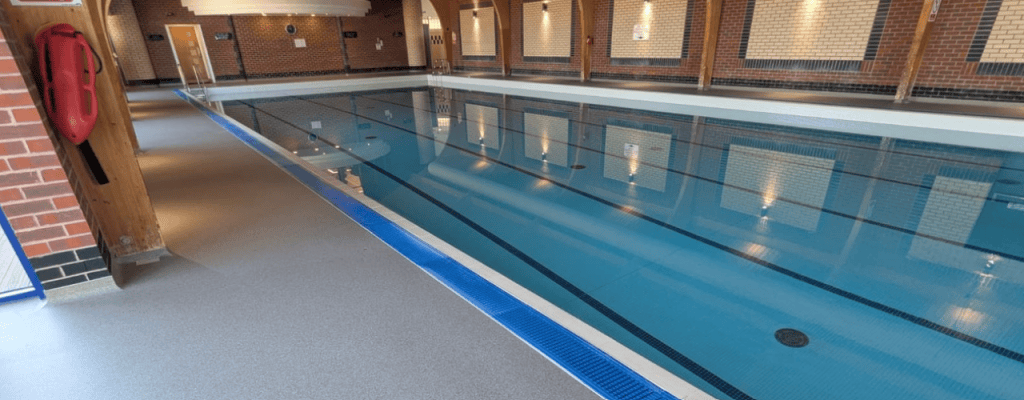
If your pool surround is looking dated or becoming uneven, replacing the entire area may...
Read More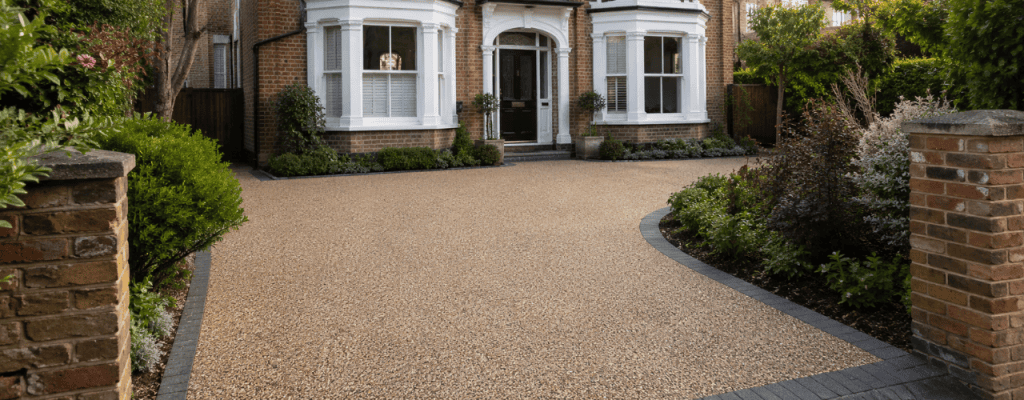
Homeowners planning a resin driveway for a period home usually want easier parking without losing the character of the frontage. You want the entrance to work better, but you do not want the driveway to become the first thing people notice. The wrong stone blend or edging can make the surface look out of place. An unsuitable base can lead to movement, while poor drainage can cause water to collect at thresholds or low points.
At FLEX, we review the existing surface, site levels and intended vehicle use before recommending a Resin Bound Stone build-up. There is little value in choosing the colour first if the existing drive cannot take an overlay or the thresholds leave no room for the required construction.
Planning a resin driveway for an older property in Kent? Ask us to review the base and drainage before the stone blend and edging are agreed.
A resin driveway does not have to look too modern beside a period home. A multi-tonal Resin Bound Stone blend, restrained edging and a simple layout can reduce the contrast between a new surface and an older building.
A uniform dark finish or heavy border can still dominate the frontage, particularly where the driveway sits close to the house.
“Softer” describes the visual effect. Resin Bound Stone remains a firm surface designed for pedestrian and vehicle use. A mixed stone blend can soften the overall appearance without pretending to be traditional paving.
This matters on Victorian and Edwardian houses, cottages and rural older properties where brickwork, stone, flint or timber already give the frontage plenty of detail. A bright or heavily patterned driveway can compete with these materials instead of sitting quietly beside them.
View the stone from the road as well as beside the house. A blend that looks subtle in a hand sample can appear much more prominent across a full driveway. Wider drives set back from the building can usually tolerate more contrast than small frontages where the surface sits directly beside the house.
Resin Bound Stone is a modern system. The aim is a restrained finish that suits the property rather than an imitation of traditional paving.
For a period property, start with the permanent materials around the drive. A restrained, multi-tonal stone blend can pick up secondary tones from the brickwork, mortar, roof tiles or boundary walls without trying to match the building exactly.
Warm buff and muted brown blends may work beside traditional brick or warmer stone. Mixed greys may suit flint, slate or cooler render. These are broad design considerations rather than fixed rules, so the final choice should come from physical samples viewed against the property.
“Our aggregate supplier, Vuba, have many different blends, but they categorise them into 5 colour waves. Three of these, Brown & Bronze, Light & neutral and yellow & warm look great for a period home driveway. You can see the full inspiration page on the Vuba website here. It’s great to see the product in situ and how it can look against different property types.” Katie Pepper, Business Development Director.
A small sample shows the colour mix, but it does not show how dominant the blend will appear across a full driveway. Check samples:
The edging should be agreed with the stone blend rather than treated as a later addition. It contains the resin and contributes to the finished level. It also remains visible around the driveway, so a heavy concrete kerb can undo an otherwise restrained finish.
Existing brick or stone setts may work in some settings. Discreet metal edging can provide another option where it suits the construction. Any retained edge must be stable. Installing resin against an edge that has already moved will not make it secure.
Contrasting borders should have a clear purpose. They may define an entrance or resolve an awkward boundary. Adding them only for decoration can make the driveway more prominent and creates additional joints for the installers to finish.
Drain channels and inspection covers also need agreed positions before installation begins. Path junctions require the same attention. Leaving these details until later can result in narrow strips of resin or awkward cuts around covers.
At FLEX, we first assess if the existing driveway can provide a stable base or if the site needs a new construction. That decision affects how we prepare the site, how high the finished surface can sit and where the water will go.
Sound concrete or tarmac may provide a suitable base after preparation. Loose paving, active cracking or movement beneath the surface cannot be hidden under Resin Bound Stone. Widespread settlement may require more extensive work.
An overlay should only be recommended when the existing surface is genuinely suitable, not simply because it reduces excavation.
Cracks, edges and drain channels are key inspection points when assessing movement in the existing base. Joins with other surfaces also need attention. A single crack across otherwise stable concrete presents a different problem from settlement beside a garage threshold.
We identify the cause before deciding if preparation and reinforcement are enough. A failed or unstable base may need more extensive repair or replacement.
Thresholds can control the whole specification. If the new surface sits too high at a front door or garage, it may leave an awkward step or direct water towards the building. These levels need to be settled before the base depth and falls are confirmed.
Vehicle use also affects the specification. A straightforward parking bay places different demands on the surface from a confined area where drivers turn in the same position each day. Stationary steering creates extra stress at repeated turning points, so these areas should be considered when selecting the base construction and surface depth.
Drainage must be assessed through the complete system. Resin bound surfacing contains small gaps that allow water to pass through the finished layer, but that does not make every driveway fully permeable.
The drainage route needs to continue through the base or direct water towards a suitable outlet. If the base is impermeable or the outlet is unsuitable, the design is incomplete. A solid base may need falls and channels to move water away from the property.
For a suitable new permeable construction, the specification may include a Type 3 sub-base with VubaMac. This allows the base and drainage route to be designed as part of the complete Resin Bound Stone system.
Vuba SRM may be used to manage movement risks around joints, covers or transitions. It can reduce the risk of minor movement showing through a suitable construction, but it cannot turn a failed base into a sound one. Loose areas, settlement and the causes of active cracking must still be addressed before installation.
On a 260 m² Resin Bound Stone driveway, we have installed Vuba’s Sherwood Forest blend and incorporated two recessed manhole covers into the finished surface. The preparation also included an asphalt mesh system to reduce the risk of reflective cracking.
Although the case study is not presented as a period-home project, it shows how the stone blend, recessed covers and movement detail were coordinated within one driveway specification.
View the Resin Bound Driveway case study.
Before quoting the work, we confirm if the existing base can remain, how rainwater will leave the driveway and which finished levels must be maintained. We also account for parking and turning areas before agreeing the stone blend and visible edging.
These decisions set the preparation, base construction and surface specification. This means the quotation reflects the actual work required rather than being based on area and colour alone.
We then confirm the installation programme and return-to-use guidance for the project. Weather and site access can affect the schedule, so we do not apply one timeframe to every driveway.
A period-home driveway needs a finish that suits the building and a base specification that suits the site. We can review both before confirming the Resin Bound Stone build-up, which can reduce the risk of awkward detailing or corrective work later.
Arrange a site visit and quotation to discuss a sympathetic resin driveway installation in Kent.
Resin Bound Stone can be installed over suitable concrete or tarmac when the surface is stable, correctly prepared and able to support vehicle use.
Active movement, failed edges or serious settlement may require repairs or a new base. FLEX inspects the existing driveway before confirming that an overlay is suitable.
Ask the contractor to explain why the existing base can remain or why it needs replacing. They should also show how rainwater will be managed and which finished levels must be maintained.
You should understand:
These answers allow you to compare the proposed build-up, not only the headline price.
Contact FLEX to discuss resin driveways for period properties across Kent. We can assess the existing base, drainage, levels, parking requirements and surrounding materials before recommending a build-up, aggregate blend and edging detail that suits both the property and the way the driveway will be used.
Arrange a site visit and quotation to start planning a resin driveway that complements the character of your home.
Experts in epoxy and polyurethane flooring systems
If your pool surround is looking dated or becoming uneven, replacing the entire area may...
Read More