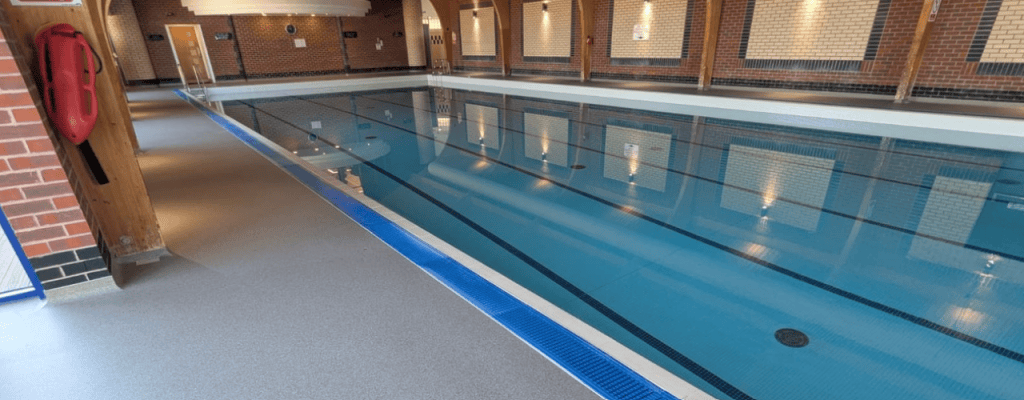
Can an Old Pool Surround Be Resurfaced Without Removing the Whole Existing Surface?
Wednesday, 21 October 2026
If your pool surround is looking dated or becoming uneven, replacing the entire area may...
Read More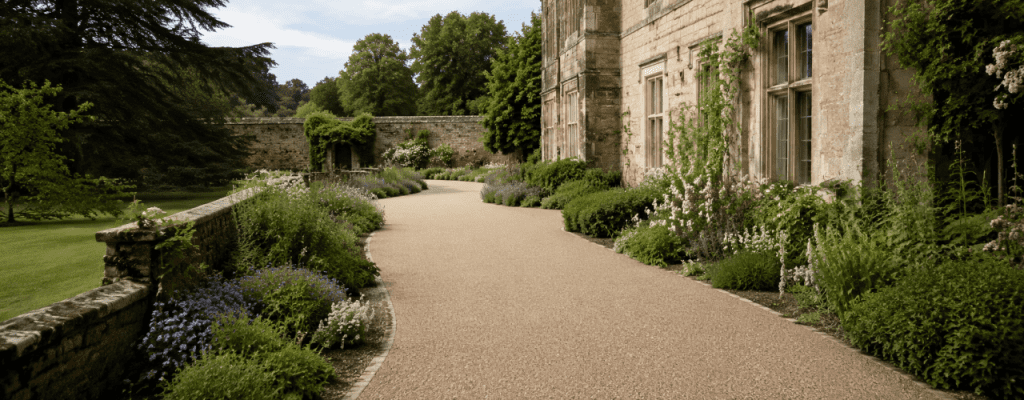
Conservation projects still need safe, durable public access, but the wrong surface can look intrusive from the day it goes down. Resin bound stone works well in these settings when we specify the build-up, blend and edge detail for the site.
At FLEX, we assess the setting before we recommend the surface. We look at ground conditions first, then review traffic, drainage and the surrounding materials so the finished route performs properly without looking out of place.
That early assessment lets specifiers avoid two common mistakes. The first is choosing a finish that looks right but fails under use. The second is choosing a build-up that performs well but feels too modern for the setting.
Get the specification right from the start and the route will work properly without looking too new for the setting.
A conservation surface fails visually when it stands out too much. The route still needs to handle footfall, drainage and accessibility. It should also sit quietly within the setting and not pull attention away from the surrounding stonework.
That is why parish councils, estate managers and architects look closely at the finish and how it sits against the surrounding materials. At FLEX, we focus on aggregate selection and colour matching, so the surface supports access without introducing an obviously modern finish. That allows architects and estate managers to meet access requirements without ending up with a finish that looks too new for the site.
“We use Vuba, which offers 181 different aggregate blends! Fortunately, they categorise these by 5 colour waves, including ‘light & neutral’ or ‘brown & bronze’, which helps clients narrow down what they are looking for.” Ella Palmer, Sales Administrator.
Modern surfaces look wrong in heritage areas when the colour is too bright, the finish is too glossy, or the edging is too visible. Thick concrete borders and sharp geometric lines can make a path feel new in the wrong way.
That usually comes down to specification. We review nearby masonry, boundary walls and existing pathways before recommending a blend, since a conservation surface should look settled into the site, not dropped onto it.
Get that wrong and objections can start straight away. Specifiers then end up back in decisions that should have been settled before installation.
Aggregate blend selection matters since the wrong stone shows immediately. A good blend picks up colours and textures already present in nearby masonry, walls or existing gravel so the new surface feels consistent with the site.
At FLEX, we use natural aggregate blends and low-glare finishes to keep the surface visually quiet. Rounded stone can also help recreate the look of loose heritage gravel while still giving the route a bound, accessible finish.
If you need to improve access without making the surface look too new, contact FLEX for a site evaluation. We can review the aggregate blend, the edging approach and the build-up before specification is signed off.
Resin bound stone surfaces support access by giving wheelchair users and pedestrians a smoother, more slip-resistant route than loose gravel. The porous structure also lets rainwater pass through to the sub-base, which reduces surface pooling without relying on visible modern drainage grids.
That matters on heritage sites where the route still has to work properly for visitors and wheelchair users, while still allowing for maintenance access.
Loose gravel can create real problems for wheelchair users and visitors with walking aids. Our bound systems remove shifting stones and uneven ruts. That keeps the route stable under regular footfall while preserving a traditional gravel look.
Access problems tend to show up first where the route narrows, turns or meets another surface.
If access needs to improve but the finish still has to sit quietly within the site, contact FLEX for a site evaluation. We can review the route, drainage and aggregate options before specification is finalised.
Permeability planning matters because water still has to move safely across a historic site. Many heritage settings do not have modern drainage built into the surrounding landscape, so the surface often needs to do more of that work.
Proper drainage helps protect nearby foundations. It also reduces standing water on walking routes and lowers the risk of water sitting against old brickwork. When we undertake a resin bound stone installation in Kent, we check that the sub-base and surface layer can handle local rainfall without putting avoidable pressure on vulnerable parts of the site.
Drainage decisions made too late often lead to visible compromises or avoidable rework.
Before a resin bound stone installation, contractors need to assess the sub-base first, then the drainage and the visual constraints of the setting. That early review sets the surface depth and the preparation work needed for long-term stability.
Traffic assessment also matters. A public courtyard needs a different build-up from a domestic heritage driveway. At FLEX, we review turning points, maintenance vehicle access and the main pedestrian routes so we can specify the surface for the way the site is actually used. That lets estate managers avoid under-specifying busy routes that later need repair or visual patching.
If the route needs to improve access without introducing visible compromise, review the site before teams finalise the build-up or edging. Contact us for a site evaluation and specification review.
Edging details matter since thick concrete kerbs can undo an otherwise well-specified surface. The edge needs to contain the system without turning into the most visible part of the job.
That is why we use subtle transitions and low-visibility borders where the setting allows them. Good edge detailing stops the surface from unravelling and keeps modern lines from drawing attention across a historic route. It also reduces the risk of a visually quiet surface being undermined by one harsh edge detail.
FLEX delivers heritage resin bound stone by assessing the setting before we recommend the blend, the build-up or the edging. We do not treat conservation sites like standard driveways or patios, since the wrong specification shows up quickly in these environments.
Our role is to help specifiers settle the balance between appearance, access and traffic demands before installation starts. We use natural aggregate blends, quiet edge details and site-specific build-ups so the finished route works properly and sits comfortably within the setting.
On heritage jobs, weak decisions usually show up at the edges, on busy turning points or anywhere the finish looks too clean against old fabric.
Estate managers and architects can settle the specification earlier, reduce rework and avoid delays during delivery.
If you need a surface that meets access requirements without looking too new for the setting, contact us for a free quote. We can review the route, the build-up and the finish before the job moves any further.
Estate managers and specifiers usually ask about traffic loading, mobility access and long-term wear before choosing a bound surface for a heritage setting.
Permeable resin bound stone pathways can handle heavy traffic when the binder, base and build-up match the expected loads. The surface still needs the right support underneath it if it has to cope with vehicles as well as constant pedestrian use.
That is why site review matters. We adjust the specification to match turning points, delivery access and the main pressure areas so the route stays practical without losing its permeable top layer.
Driveways and wheelchair ramps benefit from bound systems since the surface stays flat and stable, with no loose debris. Wheelchairs need smooth ground to manoeuvre safely, and sloped access routes need dependable grip.
Loose stones can migrate into grass, form channels and create trip points. A bound surface locks the aggregate in place and gives specifiers a more reliable route where access cannot be left to chance.
Traffic assessment for historic sites focuses on vehicle weights first, then turning circles and daily pedestrian footfall. Narrow gateways and repeated turning points often take the heaviest stress.
Our team reviews how estate vehicles and visitors move through the site before we specify the surface. That lets us avoid under-building the route in the areas most likely to wear first.
Contact us to discuss a site evaluation and structural specification for your heritage property.
If the site needs better access but the finish still has to sit quietly within a historic setting, we can review the route before anyone writes the wrong blend, build-up or edging detail into the job.
That gives you a better basis for specification before the wrong decisions get built into the job. It also makes the route easier to approve and less likely to need revisiting later.
Experts in epoxy and polyurethane flooring systems
If your pool surround is looking dated or becoming uneven, replacing the entire area may...
Read More