How Resin Kitchen Flooring Performs With Underfloor Heating
Wednesday, 17 June 2026
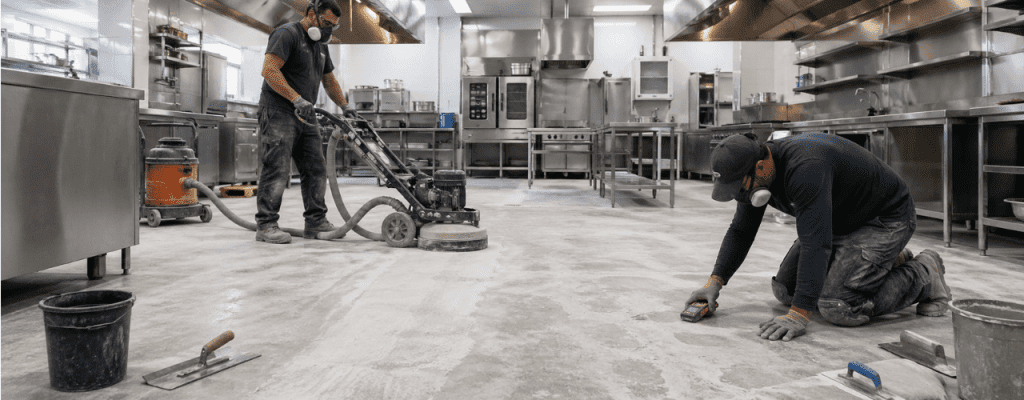
Underfloor heating is now a common choice in modern kitchen refurbishments, especially in open-plan homes...
Read More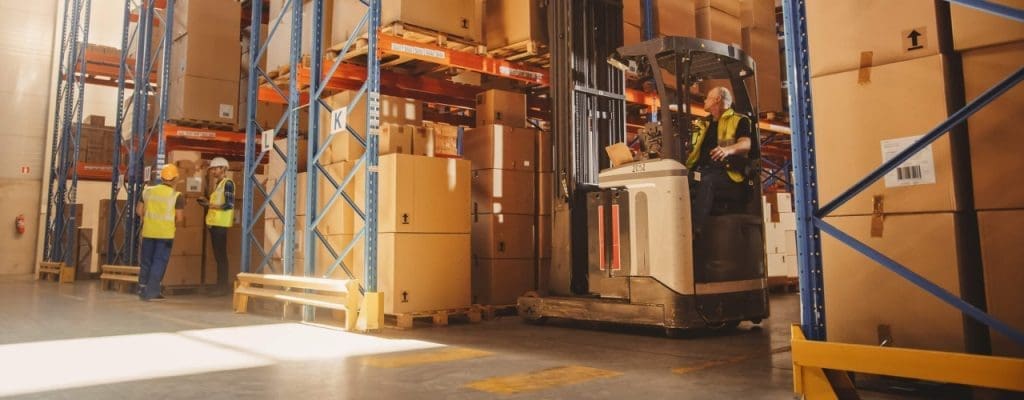
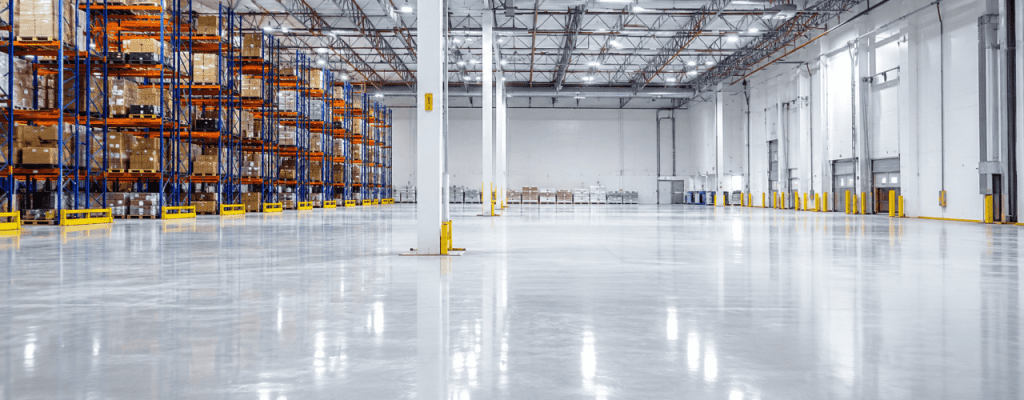
Every logistics hub relies on a dependable surface to keep operations moving. Heavy machinery drags serious weight across your site daily, and weak surfaces force drivers to slow down or create safety hazards. Faulty warehouse flooring creates operational bottlenecks that drain your maintenance budget. That is why at FLEX we install heavy duty warehouse flooring for forklifts engineered explicitly to withstand continuous traffic, delivering a structural build.
Ignoring a deteriorating floor leads to expensive operational consequences that extend far beyond the surface itself. When your concrete slab begins to fail, your business faces three major risks:
Forklifts destroy standard warehouse slabs as continuous vehicle weight and aggressive turning forces stress the surface. Unprepared concrete simply cracks and falls apart under these demanding daily mechanical loads. This makes finding durable warehouse flooring for logistics centres a priority for site managers looking to avoid structural failure.
A basic concrete slab surrenders quickly to the daily friction of a busy site. Materials chip away when steel forks drag across the ground, creating craters that damage vehicle tyres. Ordinary floor paint flakes off within weeks, leaving bare concrete exposed to oil spills. Investing in industrial flooring ensures your operations run smoothly without vehicle damage or staff fatigue.
Resin systems provide a highly durable, completely seamless surface. Eliminating joints removes the structural weak points that normally fail under heavy forklift pressure. This produces a tough finish that resists surface wear and impact cracking.
Our experienced teams provide warehouse flooring for forklift traffic by applying high-performance coatings and screeds tailored to your site. A seamless layout makes the entire area safer for pedestrians. Staff move heavy goods swiftly without worrying about sudden surface failures. These industrial flooring systems offer excellent slip resistance tailored exactly to your environment.
Heavy-duty epoxy flooring performs exceptionally well under pressure by providing impact resistant warehouse flooring systems across busy industrial loading bays. The resilient material easily withstands repeated point weight from heavy trucks. This solid protective layer prevents physical structural damage to the concrete substrate beneath it.
This specific industrial resin bonds aggressively to properly prepared substrates. Your staff gain a highly reliable surface that maintains structural integrity over decades of hard commercial use, protecting your capital investment.
Polyurethane flooring screeds offer the best protection when a facility experiences heavy forklift movement combined with harsh chemical spills. The specific chemical makeup of polyurethane possesses a slight physical flexibility. This allows the screed to absorb heavy ground impacts and thermal shock well.
These flooring systems hold up flawlessly against aggressive turning forces and heavy point loading. You gain maximum resistance to industrial solvents alongside structural toughness against constant pallet movement.
Load-bearing preparation is absolutely critical for surface lifespan as it ensures the new resin bonds correctly to the substrate. Deep mechanical preparation dictates the true functional lifespan of the entire floor.
You cannot hide a failing substrate by simply painting over it. As expert resin warehouse flooring contractors Kent, we invest significant time assessing the concrete to determine exact load requirements. Professional warehouse flooring relies on scientific calculations regarding incoming vehicle weights. Strict adherence to system thickness guidelines allows the resin to cure into a dense layer rather than a weak shell that splits under weight.
“When looking at resin warehouse flooring, you need to give particular attention to high traffic areas, such as entrances, exits and loading bays, as they require anti-slip. We can specify the right system to include that.” Simon Hubble, Founder, FLEX Surfaces & Floors.
Seamless surfaces improve safety and maintenance by eliminating trip hazards and reducing cleaning times. This is especially important for warehouse flooring for pallet truck traffic, where small wheels can easily get caught in floor joints or cracks.
A smooth floor allows automated cleaning machines to glide effortlessly across the building. The highly resistant topcoat stops oil and grease from soaking into the substrate. We also integrate aggregates to create essential slip resistance in zones prone to fluid spills, delivering the heavy-duty practicality your site demands.
Site managers expect professional teams to manage system application and exact thickness depths. If you are looking for warehouse flooring installation Kent, choosing a local expert ensures the new warehouse surface cures properly and avoids costly future operational downtime.
We work directly with facility managers to keep operational disruption to an absolute minimum. Teams segment large areas so your business can continue fulfilling orders during the curing process. Reliable warehouse flooring represents a commercial investment that improves logistics flow. FLEX guarantees workmanship that reflects years of industrial sector experience.
The best next steps involve selecting an industrial warehouse flooring Kent specialist to assess your concrete slab. You must install a protective resin system engineered specifically for heavy physical loads. Upgrading your surface permanently stops endless patch repairs and improves structural stability.
Protecting your concrete slab requires decisive action before minor cracks turn into expensive hazard zones. Whether you need forklift resistant warehouse flooring Kent or heavy duty warehouse flooring Kent, we deliver pragmatic technical solutions. Contact an installer to secure a hard-wearing layout built to survive the harshest industrial conditions.
Most industrial resin systems require up to forty-eight hours to reach full mechanical strength before bearing heavy traffic. Fast-curing material options exist if your facility requires a quicker turnaround phase. Your installer will recommend a project timeline specifically matched to your operational schedule.
Standard concrete floors crack under pallet movement as the rigid material features almost zero flexibility under physical pressure. Heavy loaded pallets create shockwaves that shatter the brittle unprotected upper layer. This constant aggressive impact widens tiny hairline fractures into major structural potholes.
Thickness specification directly affects durability since a thin coating will rapidly wear away under abrasive forklift wheels. The correctly specified system depth absorbs aggressive turning forces and protects the underlying slab. Installers calculate exact thickness requirements based entirely on your specific vehicle weights.
Experts in epoxy and polyurethane flooring systems
Underfloor heating is now a common choice in modern kitchen refurbishments, especially in open-plan homes...
Read More