When Should Playground Flooring Be Repaired or Fully Resurfaced?
Wednesday, 14 October 2026
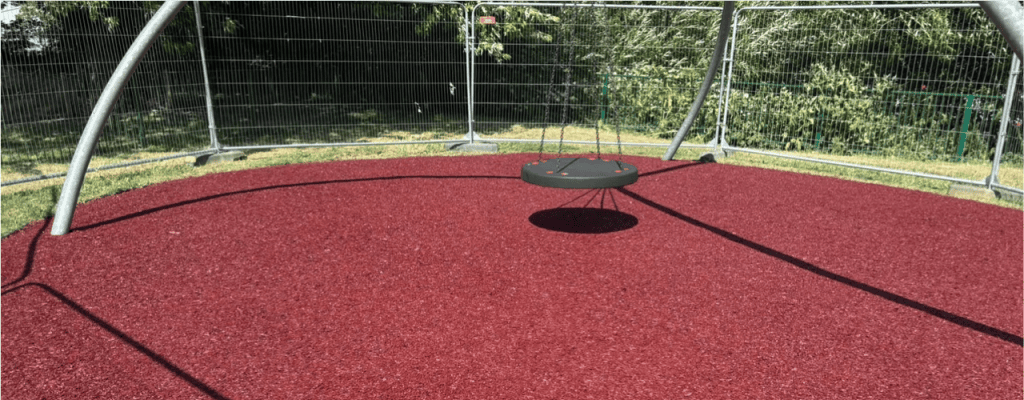
Common visible problems on school and public playgrounds include splits, worn areas and damaged edges....
Read More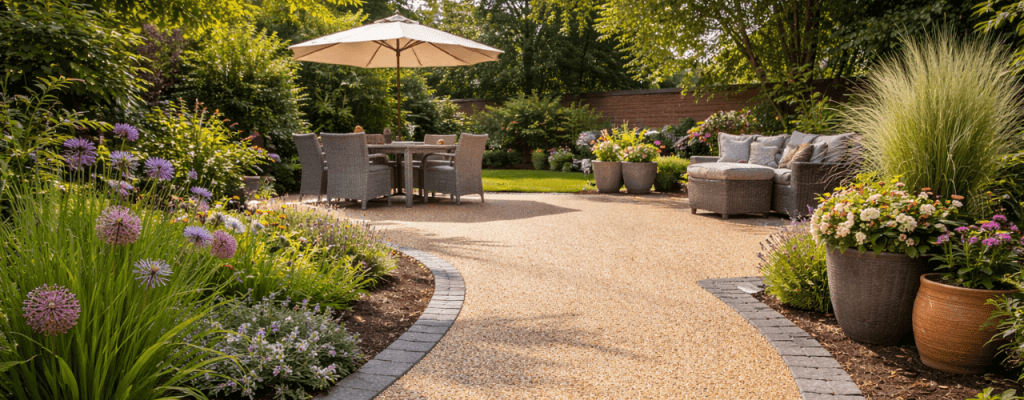
Outdoor surfaces like patios and pathways eventually deteriorate due to weathering and regular use. Many property owners assume that fixing these areas requires a full demolition of the existing base. However, ripping up old concrete is a slow, expensive process that creates significant site disruption.
We would always recommend installing the complete Vuba system, including VubaMac base, SRM (Structural reinforcement mesh) and the final aggregate topping and resin. However, we realise that this is not always possible.
Flex Flooring has built a reputation as a leading UK specialist in high-performance overlay technology. By applying a durable resin bound flooring system directly over ageing substrates, we eliminate the noise, waste, and logistical delays associated with traditional groundworks. This advanced surfacing method provides a seamless, high-traction finish that is equally effective for high-traffic commercial zones and residential refurbishments.
Traditional outdoor surfaces fail when weather cycles cause concrete to crack and tarmac to soften. Water often pools in areas with poor drainage, which leads to structural damage and creates trip hazards. These defects make exterior spaces look neglected and increase maintenance costs.
Block paving is particularly vulnerable because weeds grow in the sand joints and displace the stones. High-pressure cleaning often washes away this essential jointing sand, making the floor unstable. Eventually, the blocks shift under foot traffic and create an uneven surface that is far more difficult to maintain than a seamless installation.
Tarmac and concrete face different local challenges. Summer heat tends to soften bitumen, while winter frosts freeze trapped water to create potholes. Even tough concrete requires expansion joints that can fail over time. Identifying these specific issues is the first step in planning an upgrade to a more resilient resin bound flooring system.
Choosing an overlay instead of a full “dig and replace” offers several operational advantages:
Yes, resin bound flooring can be installed directly over existing concrete or tarmac if the base is structurally sound. This overlay method removes the need for expensive excavation and groundworks. The original surface is cleaned and repaired before the new resin system is trowelled on top.
This technique is efficient for contractors and reduces environmental waste by keeping the original material on site. An overlay essentially uses the old base as a foundation for a new, durable wearing course. It saves days of labour and significantly lowers the total project cost of a renovation.
Before deciding on a resin bound surfaces upgrade, ensure your current substrate meets these technical criteria:
Resin requires a perfectly dry substrate to bond successfully to old concrete. To avoid the damp delays of autumn, book your site survey now to ensure your renovation is completed during the dry summer window.
Seamless resin surfaces improve drainage by allowing water to pass through the topping. NB – it will not go through concrete. For a fully permeable system, it would need to be the full system (VubaMac and permeable tarmac etc). This permeability prevents water from pooling and stops ice from forming during the winter. The aggregate finish also provides high slip resistance for pedestrians.
Standing water is a frequent problem for solid surfaces that rely on traditional drains. Resin bound flooring systems are only fully porous, when you use the full system. They are not fully porous when installing topping onto existing concrete., meaning rain drains vertically through tiny voids between the stones. This keeps the surface dry and reduces the load on local drainage systems.
Safety is a major factor for property managers who want to remove trip hazards. A continuous surface eliminates the risks found with loose or uneven paving slabs. The system is designed for high-traffic environments where consistent levels are required.
Preparing a base involves cleaning the surface and removing all loose debris or organic growth. We repair any structural cracks and prime the surface to ensure a strong bond for the resin bound surfaces.
We often address “reflective cracking” where cracks in the old base might show through the new surface by using specialised fibreglass mesh or flexible screeds. This prevents the new finish from mirroring the defects of the old foundation.
Mixing is done on-site using a forced action mixer to ensure the aggregate is fully coated. The material is then spread and trowelled to a consistent depth, usually between 15mm and 18mm for overlays. Our installers work across the area to create a seamless finish without any visible joins.
While a professional overlay can vastly improve the lifespan of your exterior space, every substrate requires an honest technical appraisal to ensure long-term stability. Request a bespoke assessment of your existing base to confirm if an overlay is the most viable path for your project.
An installation usually takes two to three days. The first day is spent cleaning and repairing the existing base. The second day involves mixing and laying the resin. You can usually walk on it 24 hours after we finish.
Resin needs very little maintenance compared to paving. Sweeping away leaves and dirt prevents build-up and keeps the surface porous. You can also give it a quick wash with a hose or pressure washer to keep the stone looking fresh.
If the cracks are minor, we can repair them before we start the overlay. If the base is actively moving or sinking, then it will need to be replaced. Our technicians check that the foundation is stable before we ever put resin down.
If you have a specific project in mind, view our latest case studies or get in touch for expert advice.
Experts in epoxy and polyurethane flooring systems
Common visible problems on school and public playgrounds include splits, worn areas and damaged edges....
Read More